
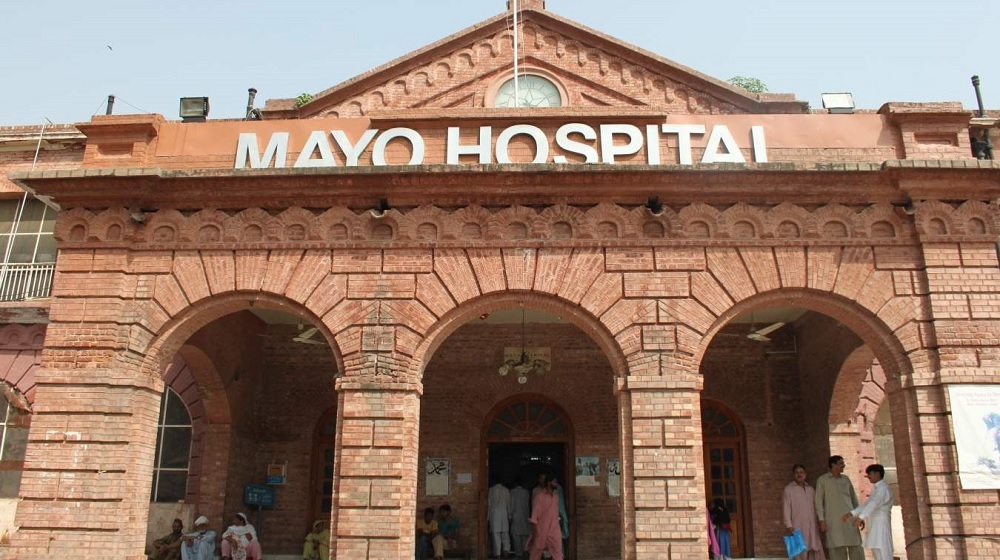
In Affiliation With King Edward Medical University And Mayo Hospital Lahore
Today, inside Lahore’s old medical quarter – where brick buildings from the British period stand beside busy modern clinics – you’ll find the nursing school tied to King Edward Medical University. Sitting right within Mayo Hospital, this college has shaped nurse training across the region for over 100 years. Time passing did not pause it; instead, shifts in health care only deepened its role. Teaching here evolved quietly but steadily, matching changes in medicine and patient needs alike.
Standing apart within Pakistan’s medical landscape, this place carries more weight than a typical training ground for nurses. Its roots run deep, shaped by decades that saw health practices transform across the area. Rather than just classrooms and schedules, what lives here grew alongside new ways of healing. Time folded into its walls, turning each chapter into part of something larger. History didn’t pass through – it settled in. Learning never started fresh; it inherited what came before. Growth happened quietly, tied closely to shifts in science and care. Not every school holds echoes of progress so clearly. This one does.
From ward training to academic medicine
Starting in the late 1800s, soon after Mayo Hospital opened its doors in 1871 under British rule, nurse training began taking shape there. Come 1883, an organized system was already running to ready people for hands-on work inside the hospital. Back then, learning looked like guided practice – most teaching unfolded beside patient beds, led by doctors or head nurses watching closely.
Back then, training focused on hands-on tasks tied to patient needs. Hygiene came first, followed by treating injuries, giving medicines, along with helping out on hospital floors. Doctors led treatment plans; nurses backed them up. This setup matched how hospitals evolved worldwide at the time.
By the 1900s, medical care setups had grown far more tangled. As diseases shifted patterns, surgery fields spread wider, intensive care took shape, while efforts in community wellness gained ground – each pushing nursing skills to evolve. Teaching programs responded by stretching what they covered, shaping lessons into clearer structure. Curriculum once narrow now deepened, step by uneven step.
Getting tied administratively to King Edward Medical University changed things sharply. Not just part of hospitals anymore, nursing began standing on its own through degree programs. From that point, training followed clearer rules because the University of Health Sciences stepped in. Across government schools in Punjab, entry and curriculum started looking more alike. This shift quietly built stronger ground for how nursing was taught.
Not just any group handles nursing credentials; it’s the Pakistan Nursing Council calling the shots on curriculum rules, hands-on skill targets, and license conditions. Oversight comes from two directions at once – colleges tied to universities, plus nationwide regulation – that keeps education solid while backing up real-world credibility.
Academic Structure Tiered Education System
Beyond basic training, the College of Nursing builds routes that feed into jobs, move careers forward, because skills grow over time. Each path adjusts as learners advance, since roles change when experience deepens.
1. Bachelor of Science in Nursing
A degree that lasts four years sits at the heart of what this school offers. Built with purpose, it shapes nurses who can handle complex hospitals or local health centers – ready to act, think, lead. While clinical skill grows strong here, so does a habit of using evidence. Leadership isn’t an afterthought; it weaves through every year.
Core curricular domains include:
- Foundations of Nursing Practice
- Anatomy, Physiology, and Pathophysiology
- Pharmacology and Therapeutics
- Medical-Surgical Nursing
- Pediatric Nursing
- Obstetrics and Gynecological Nursing
- Community Health Nursing
- Nursing Research and Evidence-Based Practice
- Leadership and Healthcare Management
Starting out, students dive into core science topics alongside hands-on nursing practice. From the beginning, theory walks step by step with real-world experience. As time goes on, hospital placements grow more complex, building deeper expertise. Alongside these shifts, learners begin working through methods used in health research. Each phase connects learning in class to work in care settings.
From the start, getting into these programs happens one way – handled by the University of Health Sciences using scores. Usually, you need F.Sc (Pre-Medical) finished before anything else kicks in. Living in certain areas matters just as much as hitting strong marks on paper. High rankings open doors, but location plays its part too. One path fits all, making sure each college follows identical rules when choosing students. Behind it all, fairness stays central to how names get called.
Some terms might have classes set up early or late, depending on how many spots are open and what jobs the region needs filled.
2. Post-RN BSN
A fresh chance opens up for RNs who want to grow beyond their original training through the Post-RN BSN track. Because higher education fits into today’s healthcare shifts, moving forward like this builds stronger roles on teams – preparing individuals not just to do more, but to lead when it counts.
The curriculum emphasizes:
- Advanced clinical concepts
- Nursing research literacy
- Health policy and systems analysis
- Professional ethics
- Management and supervision
Beyond the bedside, many who complete the Post-RN path step into leadership positions. Teaching roles open up for some fresh with new credentials. Others shift toward focused areas of patient care, guided by advanced training.
3. Allied Health Meets Team Collaboration
Though the College of Nursing centers on training nurses, being part of Mayo Hospital’s learning system opens shared work across diploma and certificate courses
- Radiographic technology
- Operation theatre technology
- Medical laboratory sciences
Folks working across different fields rub shoulders here, which builds hands-on teamwork in patient care – something modern medicine leans on more every year.
Clinical Integration Through Hospital Based Medical Training
What sets the College of Nursing apart? It’s built right into Mayo Hospital Lahore – a major center for advanced medical treatment nationally. Most training schools must arrange outside placements just to give students hands-on experience. Being inside the hospital means learners face real, busy wards every single day instead.
One rotation happens under watchful eyes inside big hospital sections. A different department gives hands-on time with close guidance. Each area offers practice while being observed closely. Supervised work stretches through key medical zones. Trainees move through units where oversight stays constant
- General Medicine
- General Surgery
- Pediatrics
- Obstetrics and Gynecology
- Emergency and Trauma Services
- Specialized subspecialty units
Right from the start, learners get guided through hands-on training after an initial clinic prep phase. Supervision shapes their growth as teachers watch how they talk to patients, handle tools, stick to hygiene rules. Progress shows up in real cases shared with mentors who check every step closely. Skills build gradually under close eyes, making sure ethics stay central along with technique. Each stage locks into place when competence becomes clear through performance.
Out in fast-moving clinics, thinking on your feet gets sharper when patients keep changing. One case after another – some simple, others tough – pushes students beyond textbooks into real practice. Sickness spreads here, operations unfold there, each moment stacking knowledge onto what was taught in classrooms.
Infrastructure and Learning Environment
Old buildings here grew slowly, one after another, through the years. Classrooms plus labs often sit inside structures shaped by past needs
- Multi-story academic blocks
- Skills laboratories equipped with simulation mannequins
- Demonstration rooms for procedural instruction
- Library and reading halls
- IT-enabled classrooms
- Hostel accommodations for enrolled students
Start here – practice makes sense before real patients arrive. Mistakes happen safely inside training rooms, not hallways. Think about needles, tubes, breathing babies, bandages; doing them over and over builds confidence. Learning by trying means fewer surprises later on. Hospitals expect prepared hands, not guesswork. That first shift feels different when rehearsal came first.
Close ties to King Edward Medical University open doors beyond nursing alone. From shared seminars to hands-on workshops, learning spills into wider circles. Grand rounds offer real-world views, shaping how future nurses see their role. Each chance to step outside the usual routine adds depth to who they become.
Rules for Entry and Oversight
Getting into the BSN program happens through an online hub run by the University of Health Sciences. Usually, applicants move through steps handled in one central place
- Online application submission
- Merit calculation based on academic performance
- Domicile verification
- Allocation through merit lists
Once classes end, new graduates need approval from the Pakistan Nursing Council before working. Getting listed there marks the start of their career path while meeting country rules for safe care.
Not just one layer but two keeps things steady: universities watch over daily operations while a national council checks if standards hold up. What you get is consistency in how schools run plus confidence that learning stays strong. Rules stack this way on purpose, so neither side carries the full load.
Workforce Growth Shapes Health Outcomes
A fresh wave of nurses comes through places like the College of Nursing at KEMU. Not every country keeps pace, yet here training meets urgent need. Where shortages slow care, education steps in without delay. This gap doesn’t shrink on its own – programs fill the space. One student at a time shifts the balance.
Graduates enter diverse employment trajectories, including:
- Tertiary care hospitals
- Community health centers
- Rural outreach programs
- Public health campaigns
- Educational institutions
- Administrative and leadership positions
A degree like BSN opens doors across Pakistan, yet it holds weight beyond borders too. Where nursing meets international benchmarks, graduates find their footing more easily.
Some who finish school go on to work in efforts that support mothers during pregnancy. Others join teams fighting outbreaks or help run urgent medical responses when disasters strike. A number provide specialized treatment inside hospitals. Because so many enter these roles, the school acts like part of the country’s healthcare backbone instead of standing apart as just another classroom setting.
The Growing Role of Nurses in Pakistan
Nursing in South Asia once struggled against deep-rooted cultural resistance, slow acceptance, yet gradual change took hold. Out of places such as the College of Nursing at KEMU came quiet shifts – shaping views, building status through steady effort rather than loud claims.
Out of the old hospital training came college courses, tied now to universities. This change mirrors how nurses see their work today – differently than before. Learning includes more theory, yet still values hands-on skill. Classrooms replace some bedside drills, though practice stays central. The profession grows more defined, shaped by academic standards. Knowledge builds in structured ways, far from informal mentoring. Still, care remains at the heart. Degrees open doors, while experience keeps teaching
- Evidence-based practice
- Critical thinking
- Ethical accountability
- Interprofessional collaboration
- Leadership development
Framed by rules inside classrooms, the college slipped nursing into view as both a thinking pursuit and hands-on practice. Then respect followed.
Modern Issues and Future Planning
Built long ago, yet it still answers to the limits tied to Pakistan’s state health network. Problems show up where funding falls short because staffing stays thin – equipment ages without replacement since supply chains lag behind need
- Resource limitations
- High patient volumes
- Faculty workload pressures
- Infrastructure modernization needs
Even so, teaming up with King Edward Medical University helps the college move forward. One path ahead could be building stronger research skills, another might involve using simulated learning environments, while also bringing in training around digital tools for care.
Right now, health systems worldwide are focusing more on stopping illness before it starts, handling long-term conditions better, one big thing stands out – how the program blends public health nursing into training. When communities get involved, managing ongoing health issues becomes part of everyday practice, making that blend even more useful. Instead of treating care in pieces, linking prevention with real-world outreach keeps the coursework grounded where people live.
Conclusion
One of Pakistan’s oldest nursing schools sits where King Edward Medical University meets Mayo Hospital in Lahore. From basic bedside lessons in the 1800s, it grew into a modern college granting official degrees. Over time, its evolution reflected how nursing itself changed across the nation. Though rooted in hospital wards, it now shapes skilled professionals through structured learning. History lives in its halls, yet classrooms stay focused on current standards. Since colonial times, its role has shifted – quietly setting benchmarks others follow.
Firmly based within a busy teaching hospital, shaped by national standards, the school keeps turning out nurses who handle real-world care well. Learning runs deep here, mixed with strong classroom knowledge and awareness of community needs. Each graduate arrives ready – skilled in practice, steady in thought, tuned to society’s demands.
Not just a name from the past, it breathes with current purpose – reshaping its role as health needs shift, holding firm to more than 100 years of practice. Because of this steady change, it still anchors the growth of medical services across Pakistan, lifting how nurses are seen and trained in every corner of the country.